


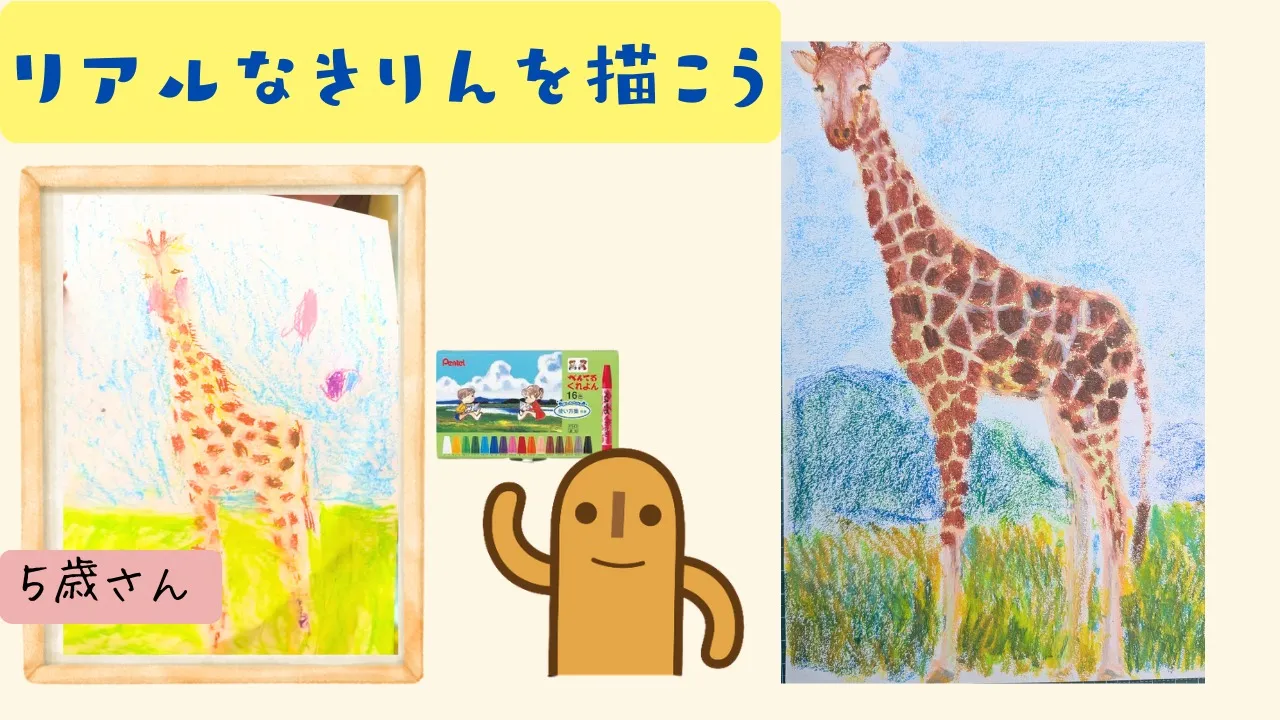
【幼児〜小学校低学年】きりんの生態を楽しく学びながらぺんてるクレヨンでリアルなきりんを描こう
0
(0)
色の混色方法を学び、骨格を意識した動物の表現方法を学びます。骨格を意識するだけで、生き物は生き生きとしてきます。いつもと違うきりんを描いてみたいお子さんにおすすめ。おもわず「へ〜」となるようなきりんの豆知識もご紹介。いっしょに楽しくお絵かきをしましょう。
One Day
6-8
Max 4people
40min
みのりたま
Reviews
0
🖍️このレッスンはこんなお子さんにおすすめです
「子どもが絵を描くのが好き。もっとうまくなりたいと言っている」
「うちの子、絵が下手で図工が嫌いになりそう」
「小学校受験を予定している、相手に伝わる絵をかけるようになりたい」
🖍️自由に描くではなく、よく見て描くレッスンです
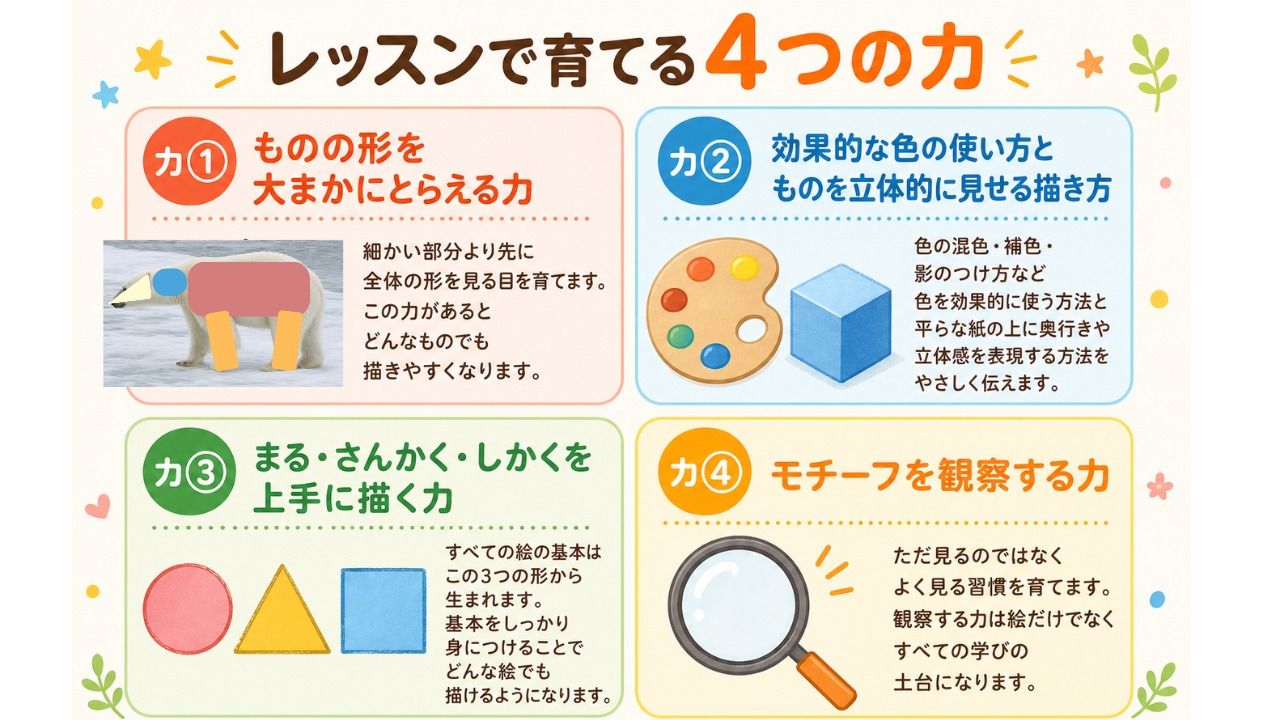
「絵の基礎のちから」がなければ、いわゆるうまい絵は描けません。
基礎の力があってこそ、「自由にのびのびと描く絵」も魅力あふれるものになります。
🖍️きりんの描き方レッスンの流れ
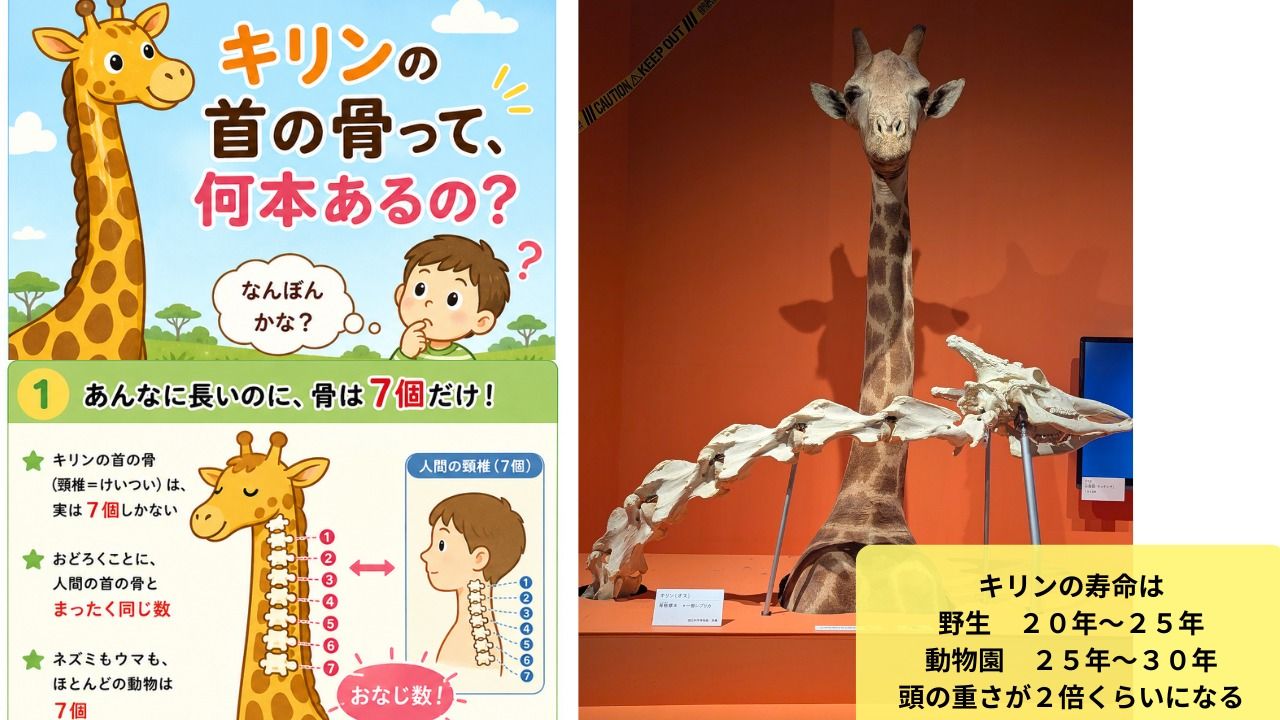
1️⃣きりんの生態について学びます。
おもわず「へえ〜」となるような豆知識をスライドで紹介。
「なぜそんな形をしているの?」「どんな生き物なの?」という興味や好奇心が絵を描く意欲につながり、レッスン後も理科・生き物・自然への興味が広がると大変好評をいただいています。
2️⃣おおまかな線でとらえる
きりんを画用紙いっぱいに配置するコツをお伝えし、きりんのひじ、ひざ、足首の位置を意識してりんかくせんを描きます
3️⃣クレヨンで着色
きいろやおうどいろ一色でぬりがちな体の色を、2色以上をまぜて体の色をぬっていきます。
色を混ぜることで深みのある色が作れる事を学びます。
4️⃣時間があれば、まる・さんかく・しかく・直線等、絵の基礎の練習を行います。
🖍️レッスン参加者特典
⭐️レッスン後に、描き方ポイントシート(PDF)をプレゼント。
レッスン後にもお家で復習することができます。
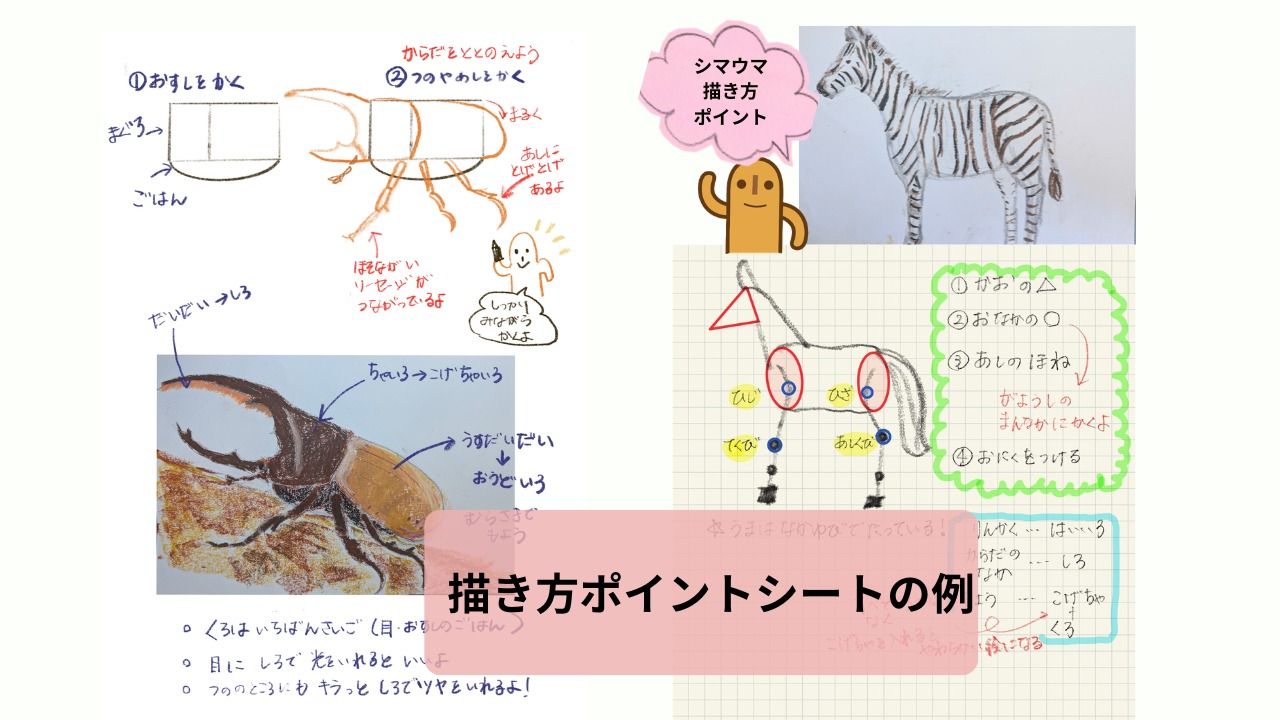
⭐️レッスン後も、背景を描き足したりしてオリジナルの絵にしてください。
完成した絵をチャットで送ってくださった方にはお子さんへ丁寧にフィードバックさせていただきます。
🖍️準備するもの
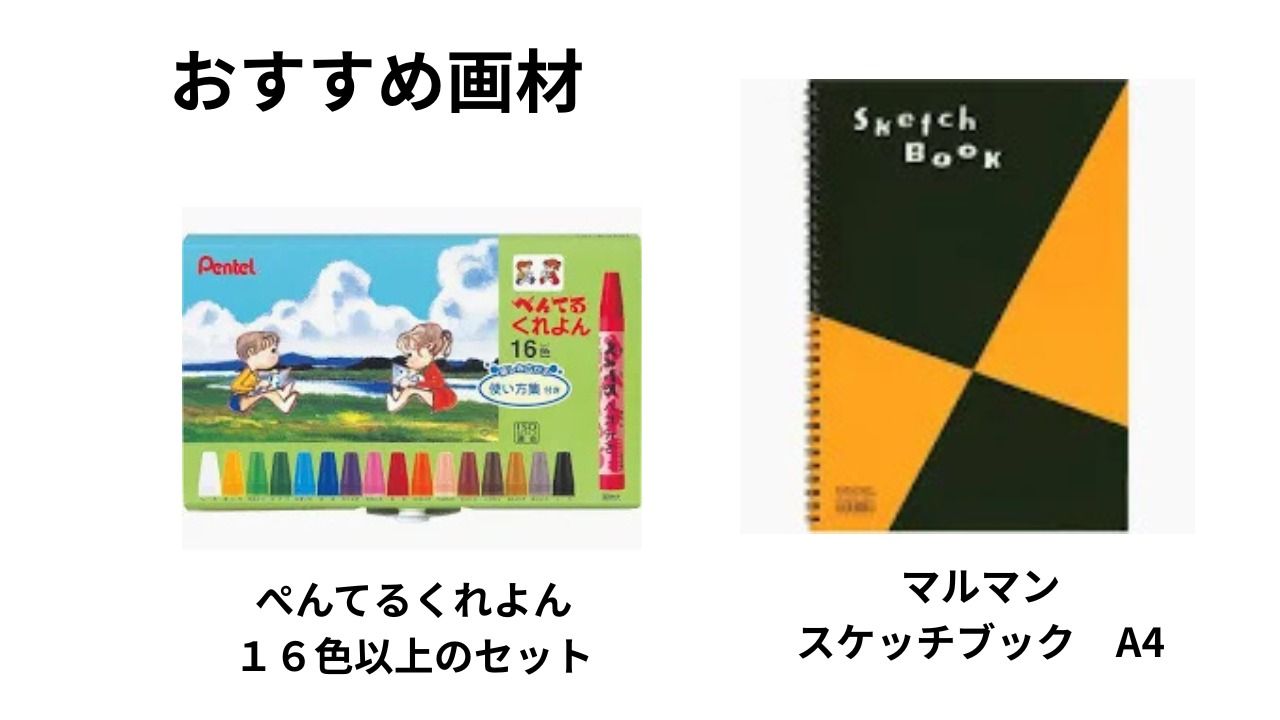
✅16色セット以上のクレヨン
※今回は細巻きのぺんてるクレヨンがおすすめです。
私のレッスンではモチーフによってサクラクレパスとぺんてるクレヨンをつかいわけています。
✅A4サイズくらいのスケッチブック、または画用紙
おすすめはマルマンスケッチブックです。表面がザラザラしていて色のノリが良いです
✅コピー用紙のような白い紙または自由帳
時間があれば、形の練習をします
✅えんぴつ 消しゴム
✅ティッシュペーパー
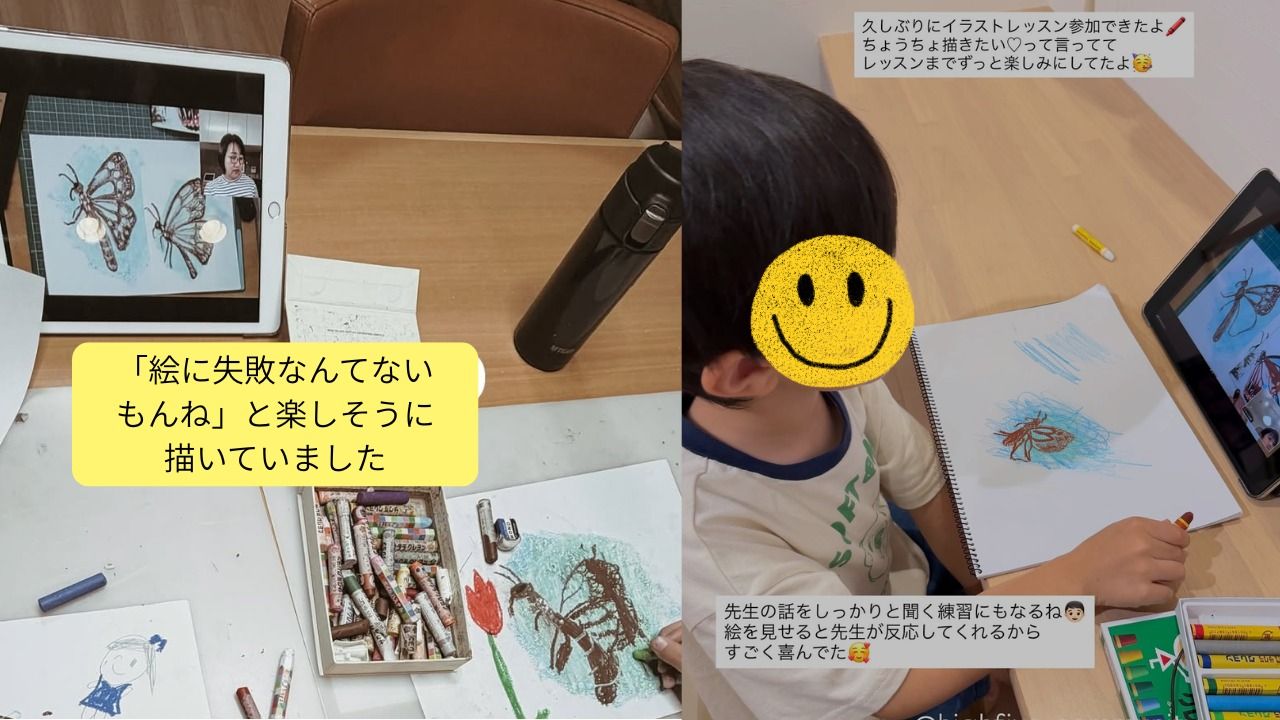
🖍️オンラインレッスンを受けた方より
(クグ以外で行っているオンラインレッスンの写真です)
🖍️自己紹介
広島大学 学校教育学部小学校教員養成課程(美術専攻)を卒業
小・中学校の塾講師を経て現在は幼児教室講師(歴18年)
こどもむけのかんたんなお絵かき、工作 YouTubeチャンネル運営
ブログで絵が苦手な子への声かけや練習方法を紹介
Great for These Kids
🚩目安は6歳からですが、お家の方のサポートがある場合は5歳さんからでも参加可能です。
One Day Class Information
If you cancel within 48 hours of the scheduled class, a cancellation fee will apply based on the timing of cancellation.
If you cancel more than 48 hours before the scheduled class, a full refund will be issued with no cancellation fee.
To reschedule, please cancel and rebook.
If the teacher cancels the class, you will receive a full refund and any coupons used will be restored.
Teacher Info
Auto-translated to English.
みのりたま
Reviews
0
My lessons are designed to plant seeds for the future – lessons that children will be glad they learned when they grow up. Hello, I'm Minori Tama, an art instructor with 18 years of experience teaching at a preschool and a major in art education. 🚩Five features of my lessons: • Learn drawing techniques that aren't usually taught in school, now is the time to do so. • Use clear and easy-to-understand language for young children. • Aim for children to say, "I drew it just like the real thing!" • Connect learning with fun facts and trivia. • Recommended for children aiming for elementary school entrance exams. Some children freeze up in front of the paper, not knowing what to draw even when told, "You can draw whatever you want." Even if they love drawing when they're little, as they grow older, "I can't draw as well as others," or "I want to draw well, but I don't know how." Some children start to dislike drawing because of these feelings. In elementary school, drawing "freely and without restraint" is encouraged, and techniques for making drawings look good are rarely taught. "My child is bad at drawing and I'm worried they'll end up hating art class..." To parents who feel this way: Not all children are born with a talent for drawing. By learning tips for making drawings look good, your child's art can change. We want to eliminate the feeling of inadequacy that leads children to dislike drawing. That's the motivation behind our lessons. We deliver lessons with easy-to-understand steps so that your child can say, "I did it!" 📌 Lesson Method We carefully draw familiar things that your child is interested in (animals, vehicles, nature). "Move your hand quickly." "Draw in circles." "Draw a straight line for a slide." Young children find it difficult to copy examples exactly. We value using intuitive and encouraging language, like drawing songs. At the beginning of each lesson, we introduce interesting facts related to the day's subject (animals, plants, etc.) using easy-to-understand slides. "Why do zebras have stripes?" "Polar bears' fur is actually transparent." "How are rainbows made?" The purpose is to pique their interest in the subject before they start drawing. They will observe and draw things they are interested in more carefully. We've also received feedback such as, "After the teacher's lesson, my child and I looked it up in an encyclopedia." We hope that drawing will broaden their interest in science, animals, and nature. 🖍️Learning that continues after the lesson If you send us the artwork you drew in the lesson via chat, we will provide individual comments. We will distribute a drawing technique point sheet (PDF) for the picture drawn in the lesson. This will be useful for reviewing at home. 📌Voices from online lesson participants Here are some comments we've received from children and parents who have actually taken the lessons. * "Even I, who am terrible at drawing bullet trains, was able to draw something somewhat decent, and my daughter was able to draw a bullet train that looked incredibly fast!" * "Not only did they teach us how to draw polar bears, but they also shared interesting facts, and I learned so much I didn't know before. I was so impressed, realizing that this is how you should teach!" * "Even my easily bored 4-year-old son was able to concentrate and participate." * "I was surprised at how much he could draw! He was the most surprised of all!" 📌 Four skills cultivated in the lesson ✔ The ability to roughly grasp the shape of objects (developing the ability to see the whole picture) ✔ Effective use of color and drawing techniques to make things appear three-dimensional ✔ The ability to draw circles, triangles, and squares well (the foundation of all drawing) ✔ The ability to carefully observe motifs (a foundation not only for drawing but for learning in general) Perspective, complementary colors, color mixing, shading, and drawing animals while being mindful of their skeletal structure. These drawing techniques are rarely taught in school. Knowing them or not makes a huge difference in your drawings. I will explain things gradually in a way that your child can understand, without using difficult words. 📌Recommended for those who want to improve their child's drawing skills for elementary school entrance exams For entrance exams, the ability to listen to the teacher's instructions and reproduce them is important. My lessons also serve as practice for following instructions. I will also teach methods for depicting animals and plants more realistically and vividly. By helping your child expand their repertoire of things they can draw and say, "I'm good at drawing this!", they can approach the exam with confidence. At the beginning of the lesson, I share interesting facts about the animals and insects that will be used as motifs, which will be useful for the entrance exam and will also connect to their learning after entering school. 📌What I value most Even if it's unclear what the drawing depicts, I first ask, "What did you draw here?" This is because I want to understand what the child was trying to express. I find the good points and praise them specifically. I value the feeling of "I did it!" above all else. In fact, I myself raised a son (a university student) who was not good at drawing. His art grades on his report card were always 2 or 3. Even so, I kept telling him, "Mommy loves your drawings!" Even now, my son says, "I'm not good at drawing, but I don't dislike drawing." In fact, my son draws interesting pictures that I can't draw. More than whether they're good or bad at drawing, I want them to enjoy drawing. That's the feeling I bring to each and every child. 📌 Background ・Graduated from Hiroshima University, Faculty of School Education, Elementary School Teacher Training Course (Art Major) ・After working as a tutor at elementary and junior high schools, I currently have 18 years of experience as a preschool teacher ・Conducts online lessons (group and individual) for preschoolers and elementary school students Children who love drawing and children who struggle with drawing are all welcome. Let's increase the number of "I drew it!" moments together!
Experience & Activities
·
After working as a tutor for elementary and junior high schools, I have now been a preschool teacher for 18 years.
·
I've been running a YouTube channel for children's drawing and crafts since 2024.
·
Online lessons for children (group and individual) were launched in 2025 and are still ongoing.
·
I share tips on how to improve your drawing skills, recommended art supplies, and how to encourage children who struggle with drawing on my blog.
See Full Teacher Profile
Class Reviews
Growth Reviews for This Class